CRA Meeting
The next meeting will be November 6. The agenda and link will be sent to the mail list. If you need the link, email admin@climaterailalliance.org.
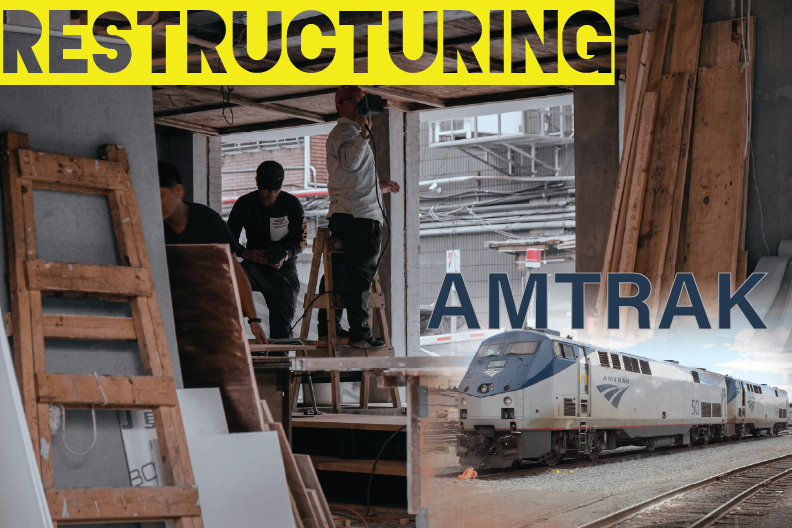
Amtrak is exploring a corporate restructuring, intending to improve service. There is detailed information on Amtrak’s website. Deadline for feedback is Oct. 30, 2026.
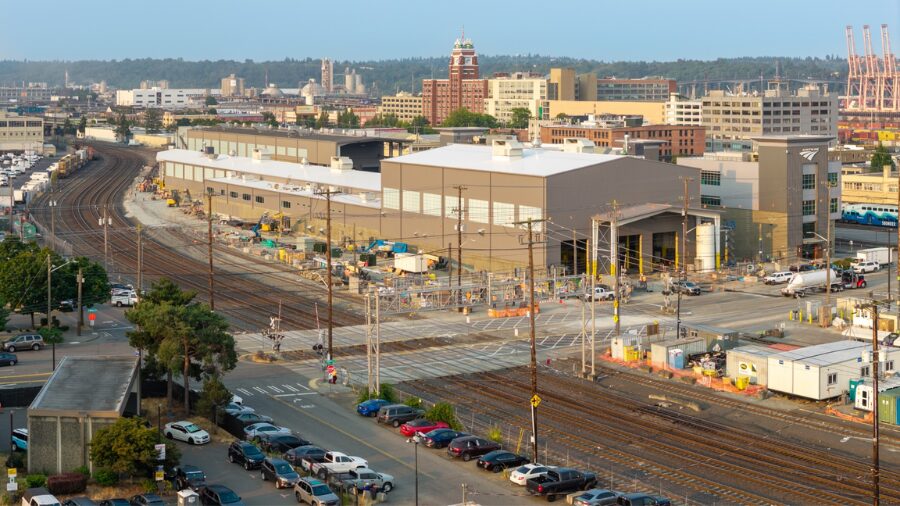
It took 18 years, but the Seattle Amtrak car service building is complete. Preliminary design in 2008 and a long wait for funds to build it. The new Airo trainsets require a specialized facility, moving this project from lines on paper to a real building. This will improve the ability to maintain Amtrak trains in Seattle.
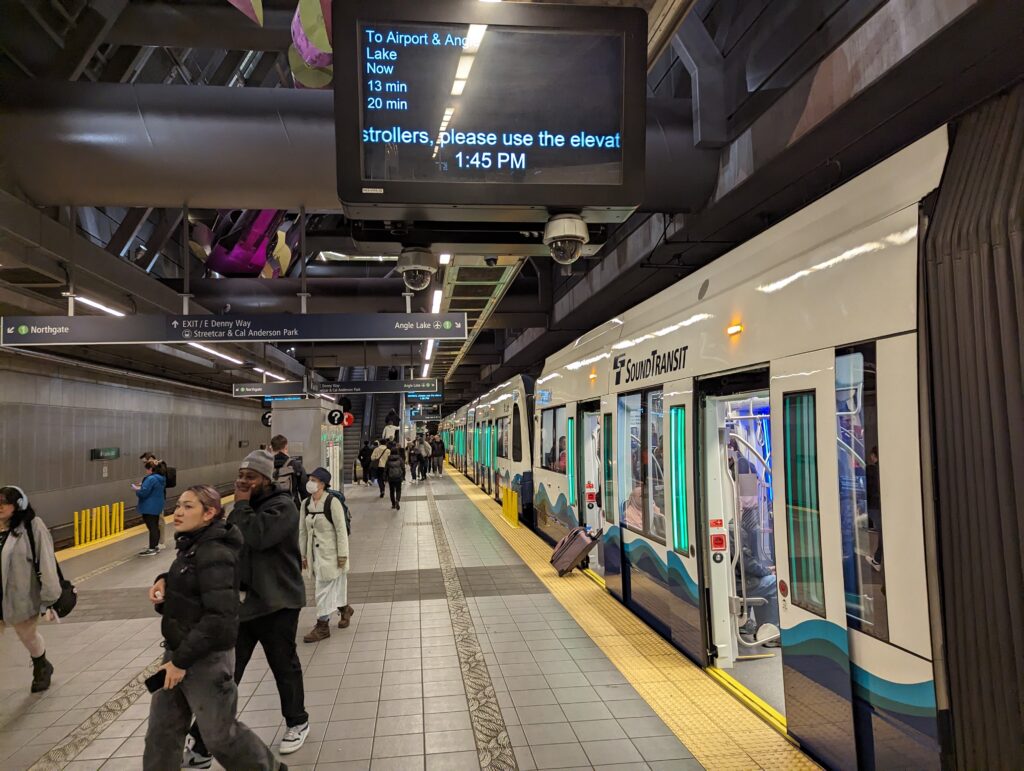
Failed again!
Once again, a big service disruption on the Seattle Link light rail service. Dependable rail service is vastly more important than technocool rail service. Riders need to not think about whether it is working and just go to the station.
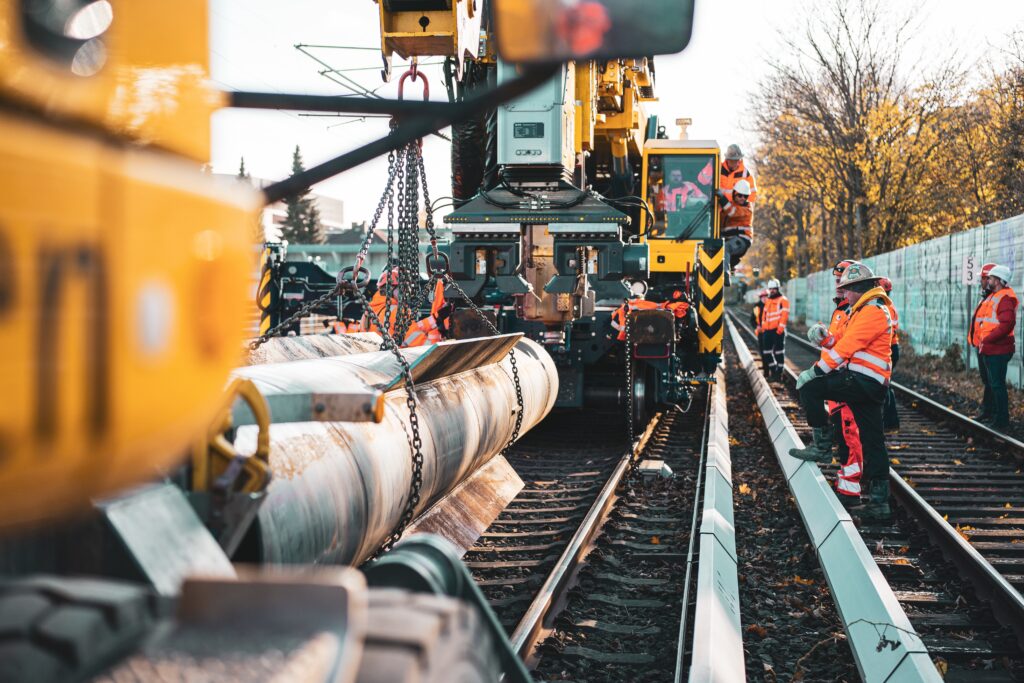
Federal Railroad Administration has announced Consolidated Rail Infrastructure and Safety Improvements (CRISI) program grant recipients:
- Wisconsin, the FRA awarded $218 million for an expansion of the Amtrak Hiawatha passenger-rail service.
- Massachusetts will receive $130 million in CRISI grant funding for the Springfield Hub Modernization Project
- $27 million in CRISI grant funding to modernize rail infrastructure owned by the Alabama & Gulf Coast Railway.
- In North Dakota, the FRA has awarded the Red River Valley & Western Railroad (RRVW) a $23.6 million grant to modernize aging infrastructure
- The Maine Department of Transportation has been awarded just over $37 million for the Northern Aroostook Rail Gateway Modernization and Safety Project.

Caltrain, the San Francisco – San Jose – Gilroy commuter rail agency tried a new radical approach to declining ridership. When commuter rail service began in the US, well over 160 years ago, the majority of suburban dwellers traveled into the central city in the morning and left in the evening, Monday through Friday. Commuter rail service was structured for exactly those people. A very large percentage of people traveling to or from suburban areas are not traveling for a 9-5 job in the central city. Some people see the response to the decline as less service. Caltrain took the opposite approach.
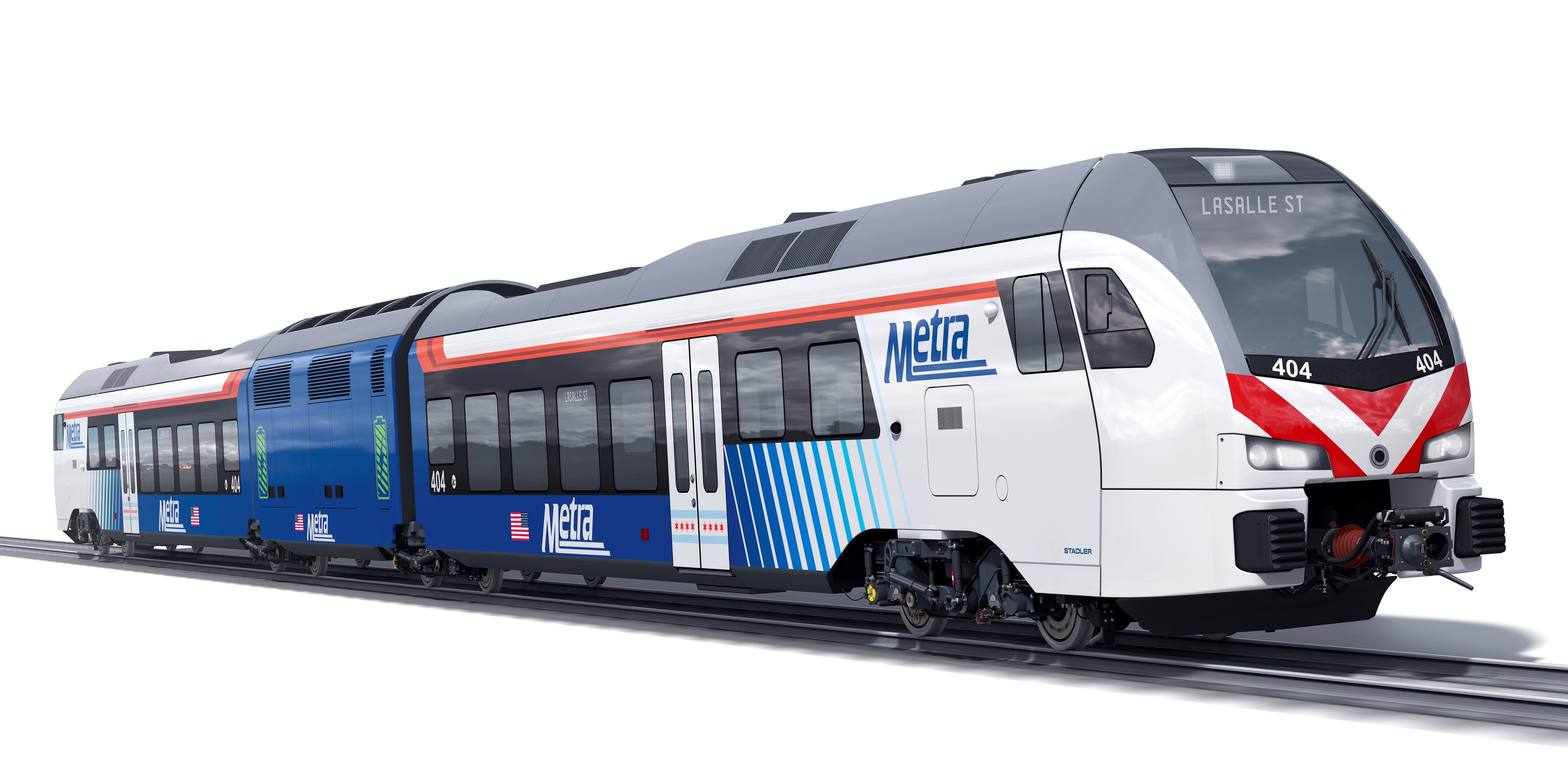
Metra, the Chicago area commuter rail agency is purchasing eight to 16 battery-electric trains. The trains will use the Beverly branch of the Chicago-Blue Island route. This route is perfect for this type of train. Stations are about four blocks apart. There is a limited amount of parking; it’s mostly walk-up or bus transfer passengers. They will be in service in 2028. The purchase is part of Metra’s plan to convert from 9 to 5er commuter railroad to all day regional service.
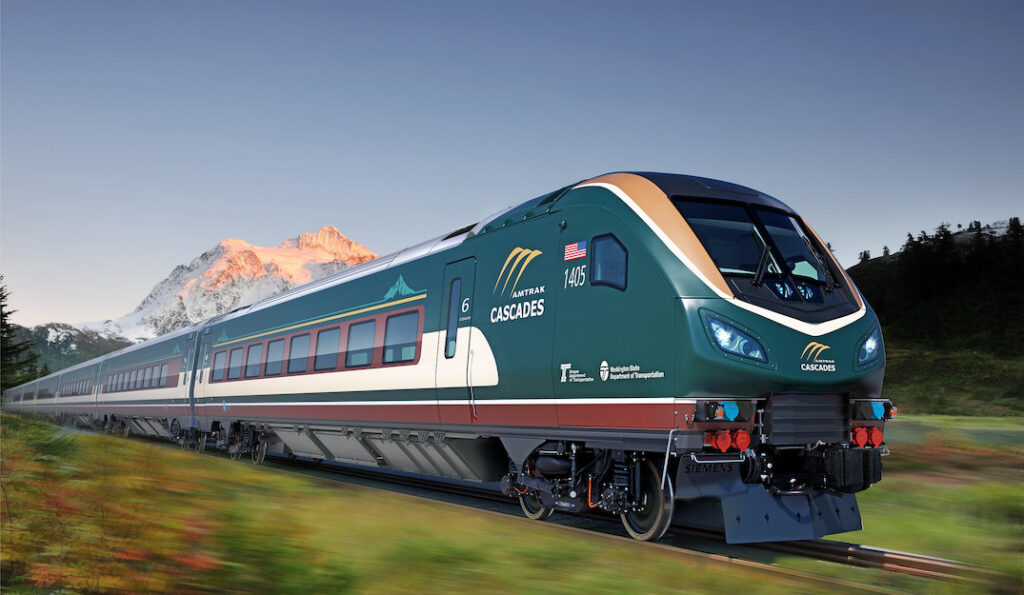
On Friday, September 25, SeaPort air published a full page press release/advertisement in “businesswire:” ““Billions in New Trains, Same Slow Route: Boeing Field Air Service SeaPort Airlines is Making New Amtrak Trains Obsolete.”” Here is our response to that propaganda piece.

The UP-NS merger application is live at Surface Transportation Board. CRA opposes this merger. There are many ways in which this merger will have a bad outcome. Wall Street activist investors will be thrilled, however. Our colleagues at Solutionary Rail and Public Rail Now have an ongoing campaign that allows comments on the merger to be made anonymously to Surface Transportation Board.
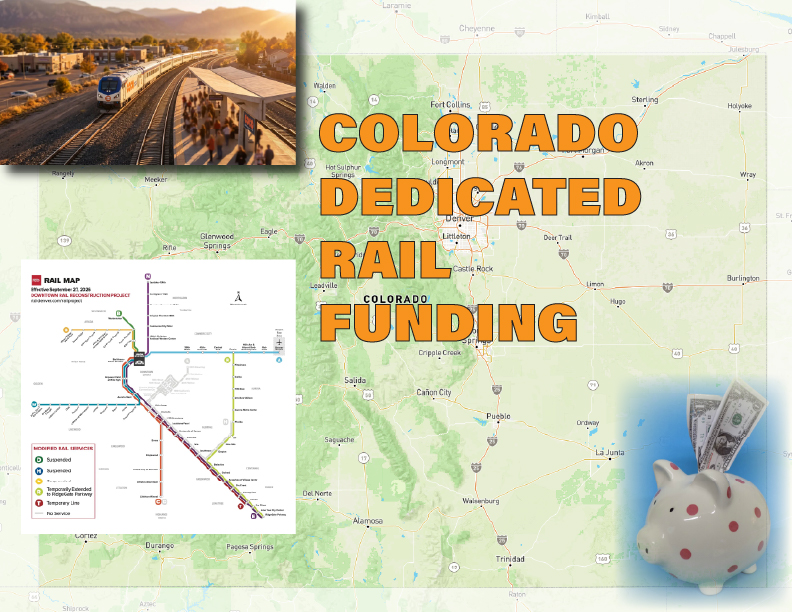
This coming election day, Colorado will be voting an a ballot measure to provide a dedicated funding source for rail passenger service. In a Trains.com article, former Federal Railroad Administration Administrator Amit Bose and former US Department of Transportation General Counsel John Putnam promote the Colorado program as model for the next generation of passenger rail. A successful dedicated measure depends upon demonstrating that the proposed program will work. Colorado has done the homework with successful light rail and commuter service in the Denver region, laying solid groundwork for this next step.
The 2027 Washington State Legislative Session is about to begin. CRA, along with the other members of the Rail Can’t Wait Coalition have developed our Legislative Priorities for Washington, the list of things that rail transportation needs that we would like legislators to fund and enable.
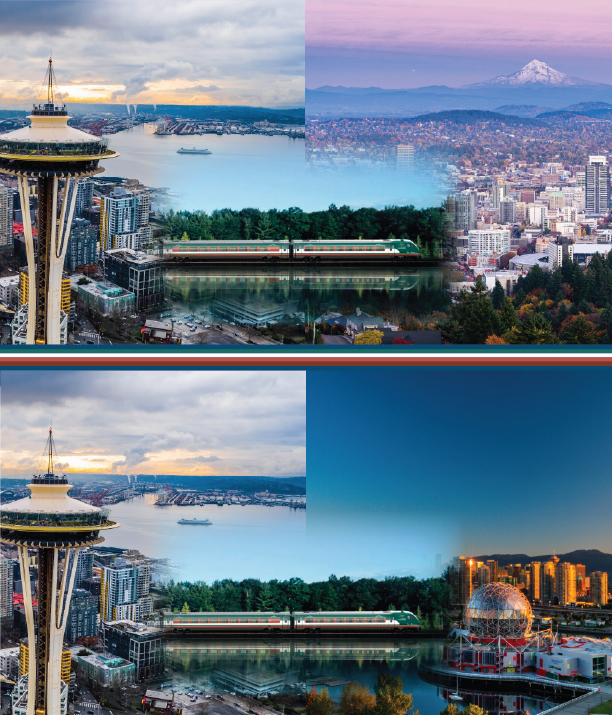
The New Cascades Airo sets started service between Vancouver BC and Eugene OR on October 30. Trains will be introduced as they arrive from testing. Right now, you can see and ride them on Trains 503 and 508 between Seattle and Eugene and trains 516 and 519 between Portland and Vancouver BC.
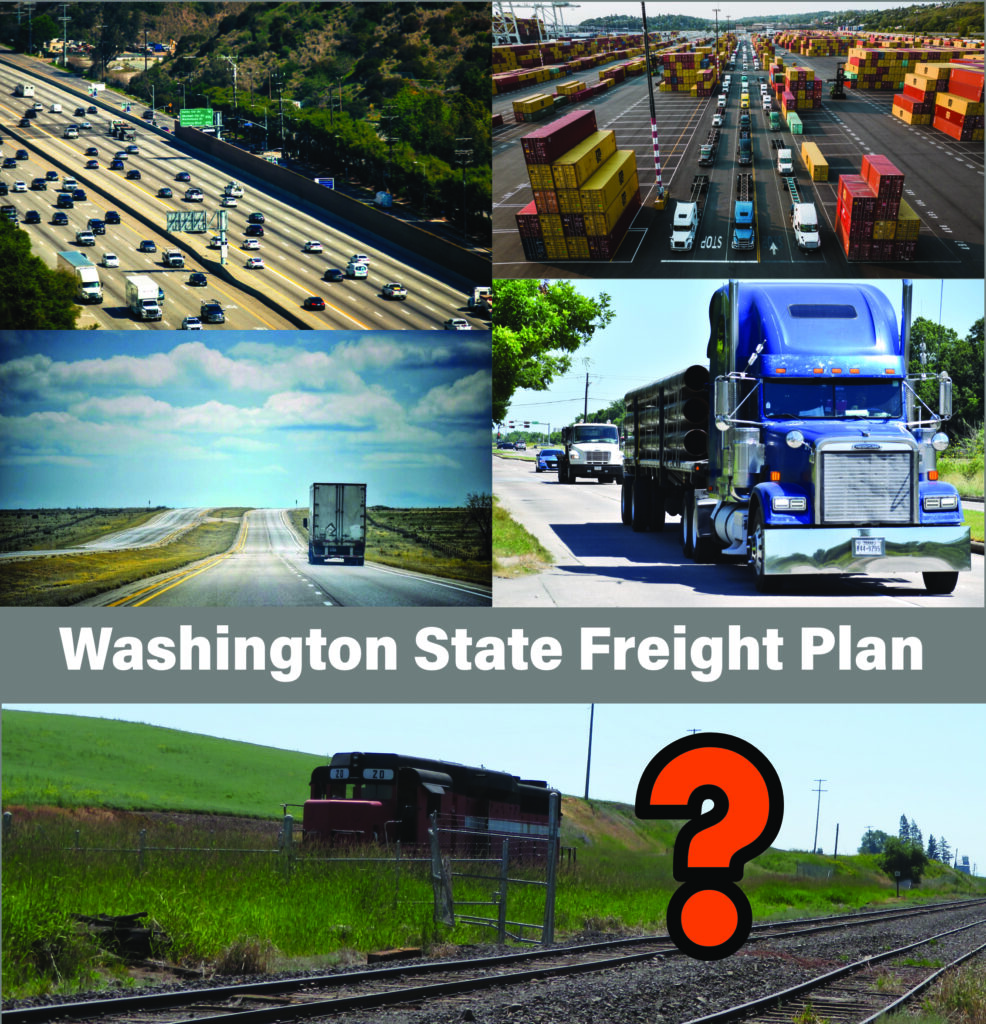
CRA joined Solutionary Rail, Duwamish River Community Coalition, Reconnect South Park, and Georgetown Community Council in a comment letter responding to the 2026 Washington State draft Freight System Plan. The plan was effectively a plan for trucking. It contained almost no reference to rail at all, about which we commented at length.